
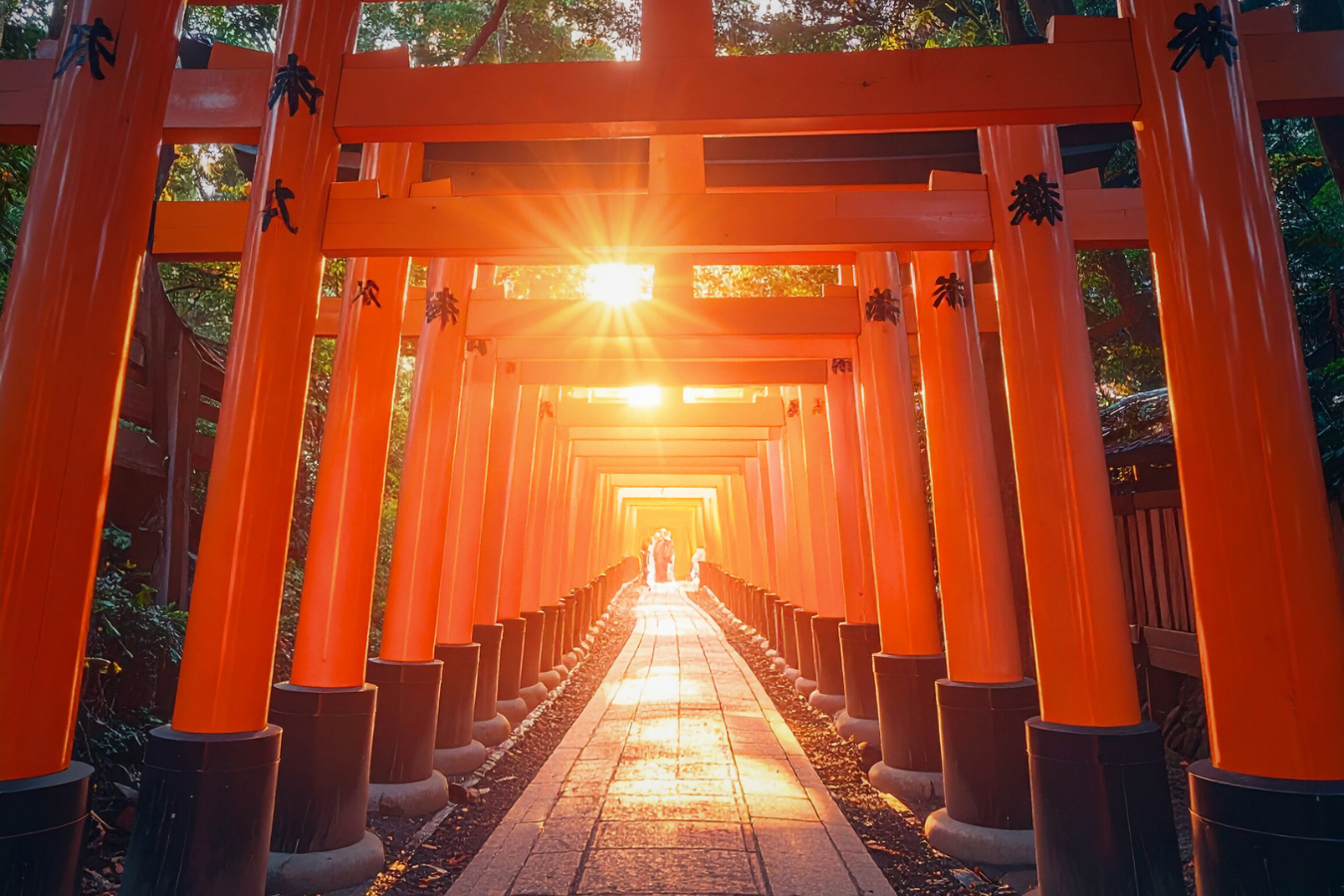
The Japanese New Year, or Shōgatsu, is not a celebration of noise or spectacle. It is a season defined by stillness, intention, and renewal. While many cultures mark the New Year with countdowns and fireworks, Japan welcomes it through quiet preparation, ritualized meals, and moments of inward reflection.
This is a time when households pause, streets soften, and time itself seems to slow. Shōgatsu is not about adding something new, but about clearing space — physically, emotionally, and spiritually — so that the year ahead may begin unburdened.
Ōmisoka: The Final Day of the Year

Ōmisoka, December 31st, sets the tone for the Japanese New Year. Rather than a night of loud celebration, it is traditionally a time for closing, reflection, and quiet gratitude.
Homes are put in order, unfinished matters are settled, and families gather around a warm, familiar meal. One of the most familiar dishes is toshikoshi soba, long buckwheat noodles eaten to mark the crossing from one year to the next. Their length symbolizes continuity and resilience — a gentle wish to move forward without being broken by hardship.
Ōmisoka is less about anticipation than it is about completion. In Zen thought, endings carry the same weight as beginnings. To acknowledge what has passed — without clinging or regret — allows the new year to be entered with clarity and calm.
Joya no Kane: Listening to the Bell

As midnight approaches, the sound of temple bells begins to echo across towns and cities. This ritual, known as Joya no Kane, involves ringing the bell 108 times — a number said to represent the earthly desires and distractions that cloud the human heart.
With each resonant strike, one desire is symbolically released. The sound is deep, slow, and unhurried, often carried through cold winter air. Many people listen quietly, allowing the bell to mark the passage of time more clearly than any countdown ever could.
This moment reflects a core aspect of Japanese spirituality: purification through awareness. Nothing is forced away. Instead, one listens, breathes, and lets go.
Preparing for the New Year: Clearing Space, Clearing Mind

The New Year in Japan begins long before January 1st. In the final days of December, families engage in ōsōji, a thorough cleaning of the home. Dust is removed, clutter is released, and neglected corners are finally attended to.
This act is not merely practical. It reflects a deeply rooted belief shared with Zen philosophy: that the state of one’s surroundings mirrors the state of one’s mind. By restoring order and emptiness to the home, one prepares a calm vessel to receive the coming year.
For moments like these, many choose to simplify what remains — selecting objects made with care and intention. Wooden trays, lacquered bowls, or a single handcrafted vessel can quietly shape the atmosphere of the season.
▶︎View items that embody quiet craftsmanship.
New Year’s Food: Wishes Shaped into Form
On New Year’s Day, families gather around foods that are prepared in advance and meant to last for several days. This traditional cuisine is called osechi ryōri.

Rather than a single dish, osechi is a carefully arranged assortment of foods, each carrying symbolic meaning. Sweet black beans express wishes for health and diligence. Herring roe symbolizes prosperity and continuity. Rolled omelets suggest layers of joy. These foods are traditionally served in stacked lacquer boxes, emphasizing harmony, order, and abundance.

Alongside osechi, a warm soup called ozōni is enjoyed. While recipes vary by region, ozōni always includes rice cakes and seasonal ingredients, bringing warmth and grounding to the first morning of the year.
The vessels used for these meals matter. Lacquerware, with its soft sheen and gentle warmth, has long been associated with ceremonial dining. Even a single bowl, used slowly and attentively, can transform an ordinary meal into a moment of reflection.
▶︎Explore lacquerware for mindful dining.
From January 1st to the Third: The Luxury of Not Moving

Traditionally, the first three days of the year — known as san-ga-nichi — are spent quietly at home. Businesses close. Travel pauses. Visits are limited to family and close relations.
This deliberate stillness once served as a collective reset for society. In today’s always-connected world, such uninterrupted time has become increasingly rare. Notifications replace silence, and even holidays are filled with motion.
Shōgatsu reminds us that rest is not inactivity, but restoration. To do nothing — to sit, to drink tea, to observe light moving across a room — is a form of quiet wealth. Objects that support this stillness, such as a simple tea cup or a piece of art on the wall, become companions in rest.
▶︎Discover objects for unhurried moments.
Hatsumōde: Where Prayer Meets Intention

Within the first days of the New Year, people visit shrines and temples for hatsumōde, the year’s first prayer. This visit is not only about asking for fortune or protection. It is equally about acknowledging the past year and quietly setting one’s intention for the next.
The act itself is simple: cleansing hands, offering a coin, bowing, and standing briefly in silence. In that pause, many reflect not on what they want to gain, but on how they wish to live.
This moment resonates strongly with Zen thought, where intention matters more than outcome, and awareness outweighs desire. The New Year becomes not a goalpost, but a doorway.
Zen and the New Year: Beginning with Emptiness

Zen teaches that emptiness is not absence, but potential. A quiet room is not lacking — it is ready. Shōgatsu embodies this philosophy. Decorations are minimal. Sounds are softened. Even language becomes restrained.
In this space, attention sharpens. The texture of wood, the weight of a bowl, the way steam rises from soup — these small sensations become meaningful. This is why handcrafted objects, shaped by human hands and time, feel especially appropriate during the New Year.
Artworks such as woodblock prints or hanging scrolls have long been used to mark seasonal transitions. A single image, chosen thoughtfully, can anchor the atmosphere of a room.
▶︎View art for seasonal contemplation.
A Quiet Beginning

The Japanese New Year offers a gentle alternative to the urgency that often defines modern life. It invites us to begin not with resolution lists or declarations, but with space — to rest, to reflect, and to notice.
If you wish to carry a sense of this quiet into your own New Year, choose objects that age gracefully, support stillness, and invite attention. Not to decorate, but to accompany you.
In the end, Shōgatsu reminds us that how we begin matters. And sometimes, the most meaningful beginning is simply to be still.