
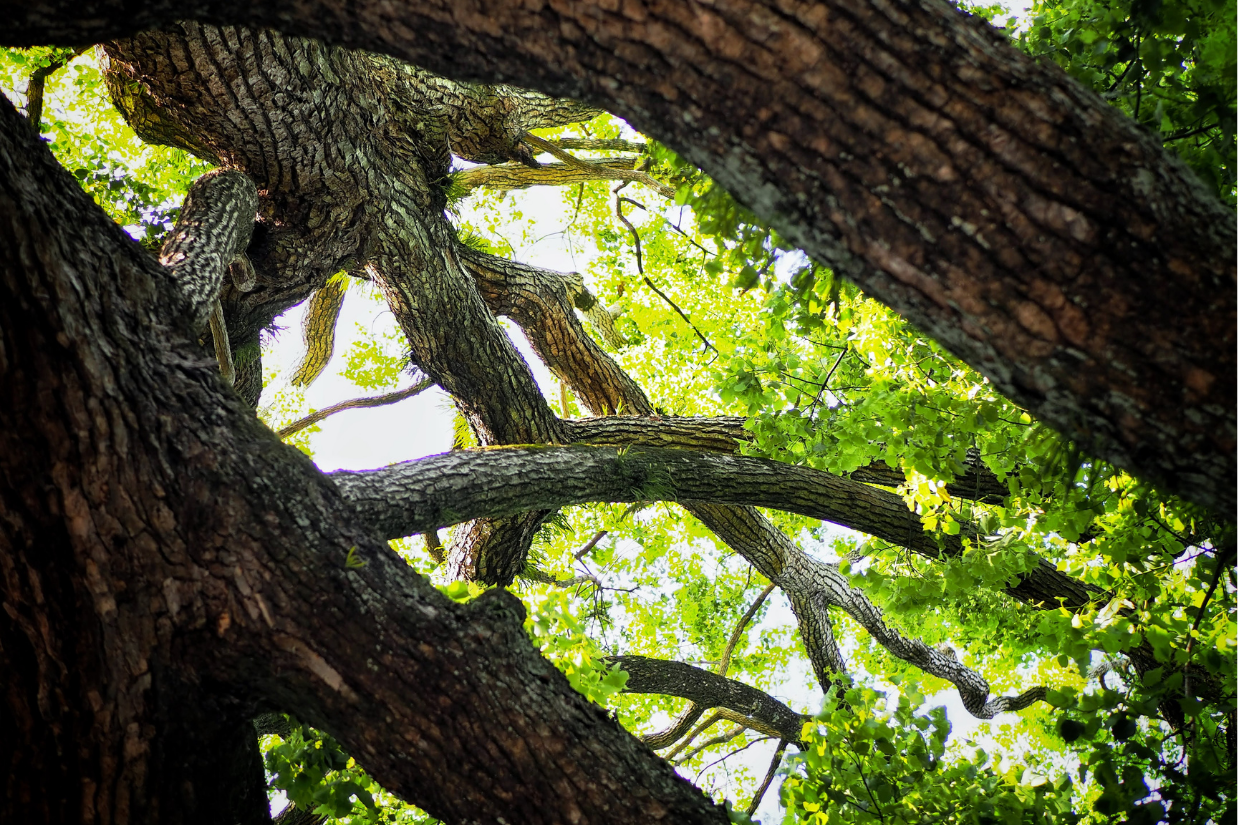
Japan has a long history of living in harmony with the changing seasons. The budding of spring, the deep greens of summer, the brilliant autumn leaves, the quiet of winter. Throughout it all, trees have silently watched over the land, spanning every corner of the Japanese archipelago.
Wood is not just a material—it becomes the pillars of homes, bowls and chopsticks, objects of prayer, and sometimes a spiritual anchor that comforts the heart. The Japanese way of life has long been deeply intertwined with the spirit of wood.
Today, our fascination with wooden crafts goes beyond mere beauty. It is the serenity felt upon touch, the warmth that fits naturally in our hands, the subtle presence that seems like a silent prayer. This sense of “time held within wood” flows quietly at the heart of Japanese culture.
In this article, we explore the profound connection between the Japanese and wood, the worldview of Yaoyorozu no Kami (the eight million gods), and the charm of the wooden crafts available in our store.
1. The Sensibility of Japanese People Living with Wood

Approximately 70% of Japan is covered in forests—a fact that has greatly influenced Japanese culture and values. Nestled in the mountains, nurtured by rivers, and living in rhythm with the changing seasons, the Japanese have come to see nature as a presence to coexist with.
The embodiment of this is “wood.”
Wood is not merely building material or a tool—it is a living entity. It breathes with the humidity, changes color with light, and deepens its expression over time. When artisans work with wood, they engage in a kind of dialogue, reading the grain, scent, and hardness as they cut and shape it.
- "Do not resist the wood"
- "Listen to the wood"
- "Respect the time the wood has lived"
These phrases reflect not only the skills of craftsmen but also the traditional Japanese spirit of valuing wood. Wooden houses, temples, utensils, and toys are all creations “borrowing” from nature—an expression of living harmoniously with the natural world.
2. The Eight Million Gods and the Sacred Trees — Feeling the Presence of Nature

The concept of Yaoyorozu no Kami, or “the eight million gods,” is central to Japanese views of nature. “Yaoyorozu” signifies infinite or countless, meaning that gods inhabit mountains, rivers, wind, rain, stones, and even trees.
In Japan, nature is both awe-inspiring and generous, sometimes fierce, sometimes gentle, always shaping and supporting human life. This careful balance has fostered a spirit of reverence for nature.
Sacred trees, or goshinboku, at Shinto shrines embody this respect. Standing before a tree centuries—or even a thousand years—old, one cannot help but be silent. Its roots clutch the earth, its trunk bears the weight of time, and its branches reflect the colors of the seasons. Merely standing before it brings calm and a natural straightening of the spine.
The shimenawa rope around sacred trees marks the space as holy. Touching the tree conveys a sense of its inner spirit, as if entering a place where layers of time overlap.
This reverence extended even to harvesting trees. In the past, prayers were offered before felling, acknowledging the life of the tree. Turning that wood into bowls, chopsticks, or houses was a way of passing the life of nature into new forms.

Even today, the quiet and relief felt in the forest may be a trace of this ingrained respect for nature. Standing near wood brings peace because it awakens our innate sensibilities.
3. The Charm of Wooden Crafts — Gentle Time Flowing into Daily Life
Wooden crafts offer a unique charm unavailable in other materials—they carry the time the wood has lived.
Grain patterns, hues, scent, weight—each piece is unique. Every touch brings warmth, as if feeling the breath of the wood itself.
All the wooden crafts in our store are carefully handcrafted by artisans who honor the presence of each piece of wood. Here are some of our most popular items:
● Kokeshi — Traditional Dolls with the Warmth of Wood
Kokeshi are carved from a single piece of wood and hand-painted by artisans. No two dolls are exactly alike.

Customers are drawn to:
- Individual grain patterns
- The gentle expressions hand-painted on each doll
- The simple, rustic charm
The uniqueness of each doll reflects the Japanese concept of ichigo ichie—a once-in-a-lifetime encounter. A Kokeshi brings warmth and tranquility into your home.
● Magewappa — The Bento Box that Breathes with Wood

Magewappa is a traditional craft made by thinly shaving and bending Akita cedar. The gentle aroma of cedar, its astonishing lightness, and the breathability that keeps rice fluffy make this bento box truly feel as if “the wood itself is breathing.”
Over time, the surface develops a natural luster, growing into a utensil that reveals its own unique character—your very own companion in daily life.
● Hakone Yosegi — Geometry Crafted from Wood

Hakone Yosegi combines various wood species to create intricate patterns using only natural colors. Red, yellow, black, white—the geometric designs encapsulate nature’s beauty within a small box.
Each piece requires numerous steps, and subtle changes in wood placement can dramatically alter its appearance. Holding one, you can feel the quiet warmth of wood and the meticulous work of the artisan.
🌲Hakone Yosegi Zaiku Collection
● Kabazaiku — The Unique Luster of Cherry Bark

From Kakunodate in Akita, Kabazaiku uses cherry bark, rare among wooden crafts. The moist luster, deep tones, and smooth texture are astonishingly delicate and refined.
Tea canisters, for instance, keep tea leaves fresh thanks to the bark’s natural humidity control. As the wood ages, its luster deepens, fitting more naturally in your hands—almost as if the wood breathes.
🌲Kabazaiku Cherry Bark Craft Collection
● Wooden Chopsticks & Cutlery — Gentle Companions for Daily Meals

Wooden utensils enhance daily life quietly and gently. Wood does not transfer heat quickly, offering a softer touch compared to metal. Lightweight and easy to hold, they deepen in color and adapt to your hand with use—time itself becomes part of their charm.
4. Bringing Wooden Crafts into Daily Life

Incorporating wooden crafts into your home is, in essence, welcoming nature indoors. The scent, temperature, and texture of wood create a calm atmosphere and a slower rhythm in daily life.
Feeling the time a tree has lived in your hand, using and nurturing it, and enjoying its changes is the essence of the traditional Japanese approach to living with nature.
5. Passing the Memory of Wood into the Future

Wood takes decades or centuries to grow. Crafts carry that time forward, preserving it in form.
By owning wooden crafts, you continue the life of nature into the future. The fusion of artisan skill and the life force of wood tells a story that becomes part of your daily life.
Soft, quiet, yet undeniably present, wooden crafts provide calm and balance in our busy modern lives. They remind us of the Japanese tradition of living harmoniously with wood and nature, a value we hope to carry forward.
We invite you to experience the beauty and warmth of these pieces in your own daily life.